A quote-ready RFQ needs seven decision groups.
Define the application, connector route, electrical requirements, cable construction, mechanical and environmental constraints, validation evidence and commercial scope. A drawing, pinout, BOM or sample can start the process, but any missing decision should be listed rather than silently assumed.
This framework prepares a sourcing brief; it is not a finished engineering drawing or product approval. Final materials, tolerances, tooling, tests, standards and acceptance criteria must be confirmed for the actual assembly and end use.
What can be used to start a custom cable review?
Best when electrical and mechanical details already exist.
Include revision, units, connector part numbers, pin map, dimensions, tolerances and any controlled notes.
Useful when the existing assembly is the physical baseline.
State which details must be copied, which may change and whether destructive analysis is permitted.
Suitable when the supplier must help define the construction.
Describe devices, signal or power, environment, installation, quantity, target market and approval process.
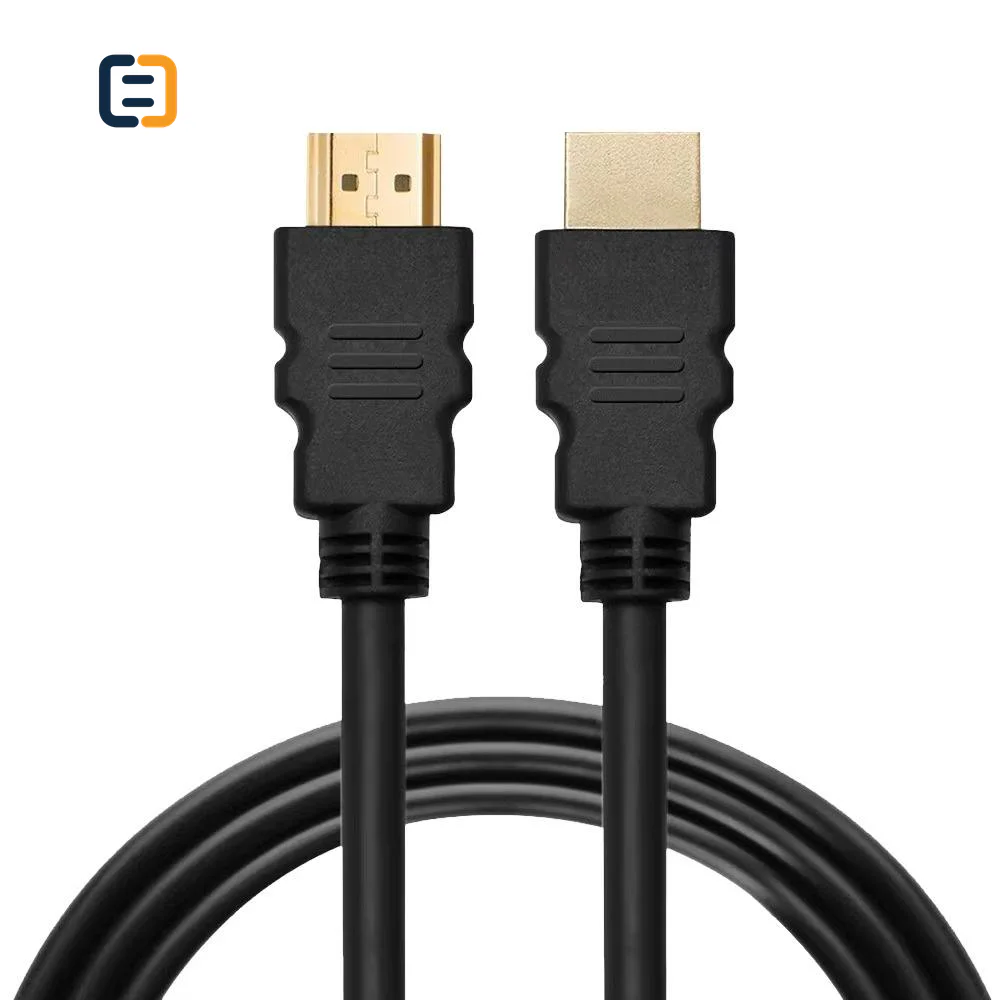
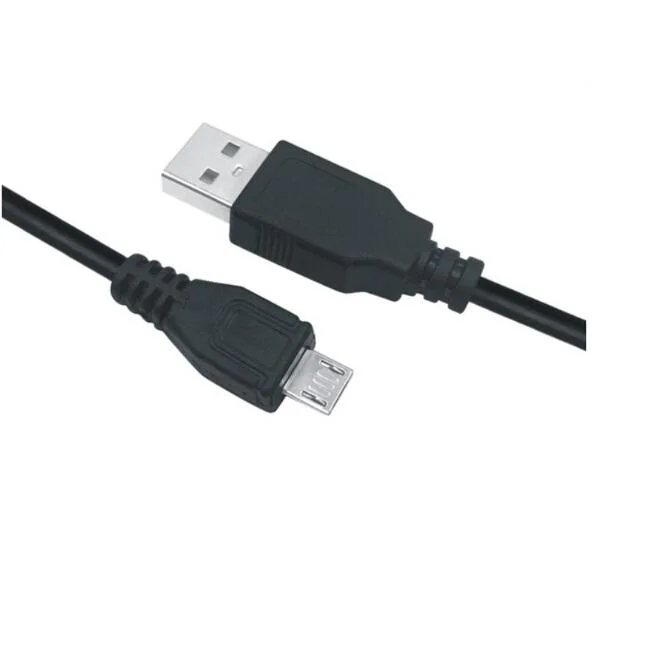
Scale, internal pinout, conductor, shielding, materials and acceptance limits cannot be reliably inferred from appearance alone.
Seven sections of a comparable cable RFQ
OEM cable assembly supplier evaluation checklist
Evaluate suppliers against the same controlled RFQ instead of comparing price alone. Record each answer as confirmed, proposed, deviated or still open, and require the quotation to identify which exact model, material and evidence scope it covers.
The checklist helps buyers compare sourcing readiness. Final approval still depends on the actual sample, agreed specification, applicable evidence and production controls.
Separate fixed requirements from supplier proposals
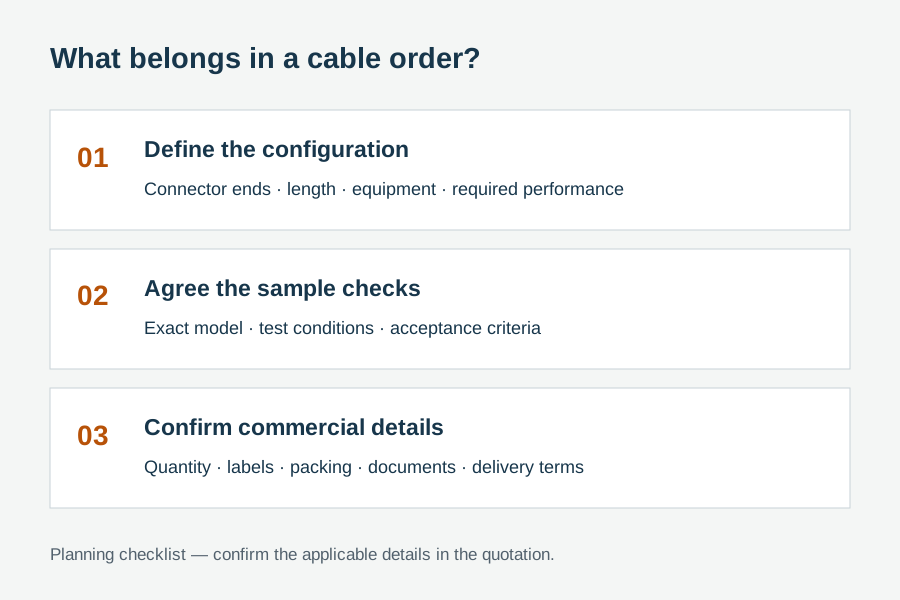
Mark every RFQ item as one of three states: fixed by the buyer, proposed by the supplier or open for joint review. This prevents a quotation from appearing comparable when suppliers have selected different connectors, materials, tests or packaging assumptions.
- Use revision-controlled files for drawings and pinouts.
- Identify approved alternates and prohibited substitutions.
- List deviations in the quotation instead of accepting silent changes.
- Freeze sample, label and packaging approval before batch production.
Acceptance criteria and inspection planning
When a project uses IPC/WHMA-A-620 or another workmanship standard, specify the applicable revision, product class and any project-specific requirements. IPC notes that A-620 can support purchasing, but it does not by itself define the frequency of in-process or final inspection. The buyer and supplier still need an agreed inspection plan.
What cannot be finalized from the RFQ alone?
Tooling and construction feasibility
Depends on the selected connector, cable, overmold, tolerances and manufacturing route.
MOQ and lead time
Depend on material availability, customization, tooling, sample approval and order quantity.
Document applicability
Must be matched to the exact material, product model, company, destination and order scope.
Start with the information you already have.
WUHAN SUNFULL will separate confirmed details, supplier proposals and missing decisions before the custom cable is quoted.
Sources, methodology and responsibility
The framework reflects WUHAN SUNFULL's B2B cable inquiry workflow. The workmanship reference is included only as an example of a buyer-specified acceptance standard; this article does not claim WUHAN SUNFULL or any listed product is certified to it.
- IPC: IPC/WHMA-A-620 Requirements and Acceptance Overview
- IPC: A-620 topic and training scope
- WUHAN SUNFULL: Custom Cable RFQ Brief