Interface guide
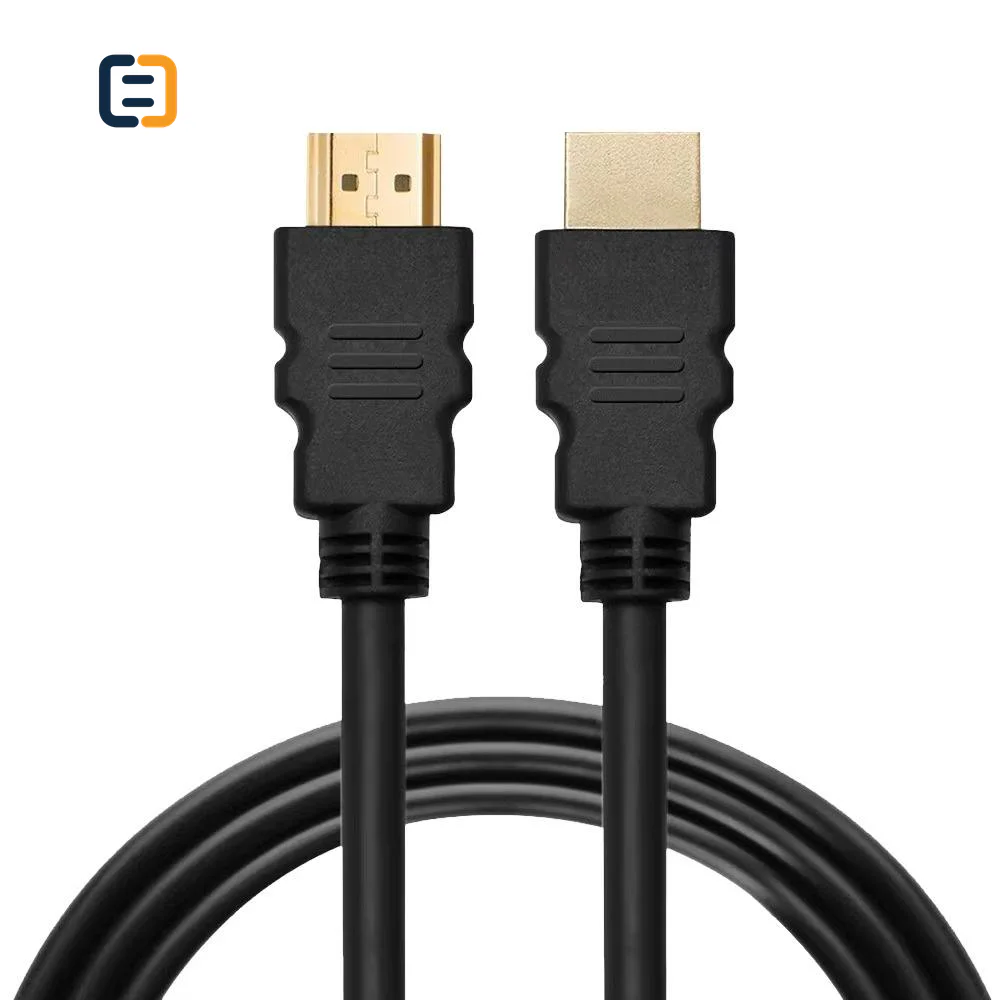
HDMI 2.1 vs 2.0 and 2.0b: What Cable Buyers Need to Verify
Compare official cable names, bandwidth, system compatibility, length routes and certification evidence.
Research interface capability, compatibility, custom assembly requirements and evidence before comparing suppliers or approving a cable order.
20 published guides and sourcing tools
Compare official cable names, bandwidth, system compatibility, length routes and certification evidence.
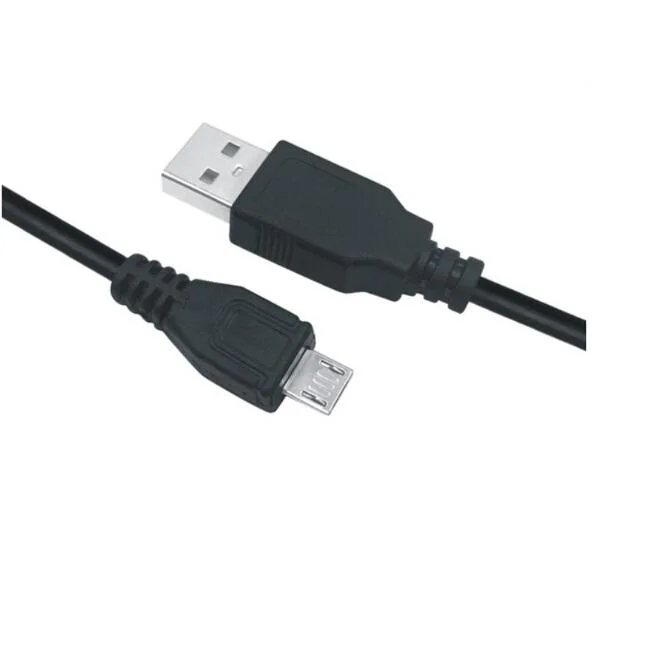
Separate connector shape, data rate, power, video, marking and certification before quotation.
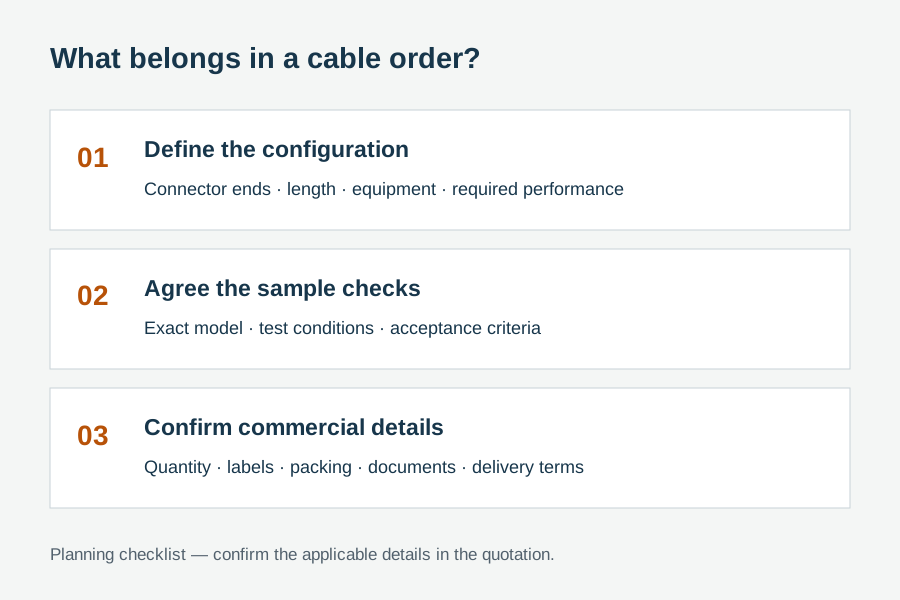
Turn a drawing, pinout, BOM, reference sample or application brief into comparable quotation inputs and a supplier evaluation.
Match declarations, reports, certification labels and inspection records to the product, market and order.
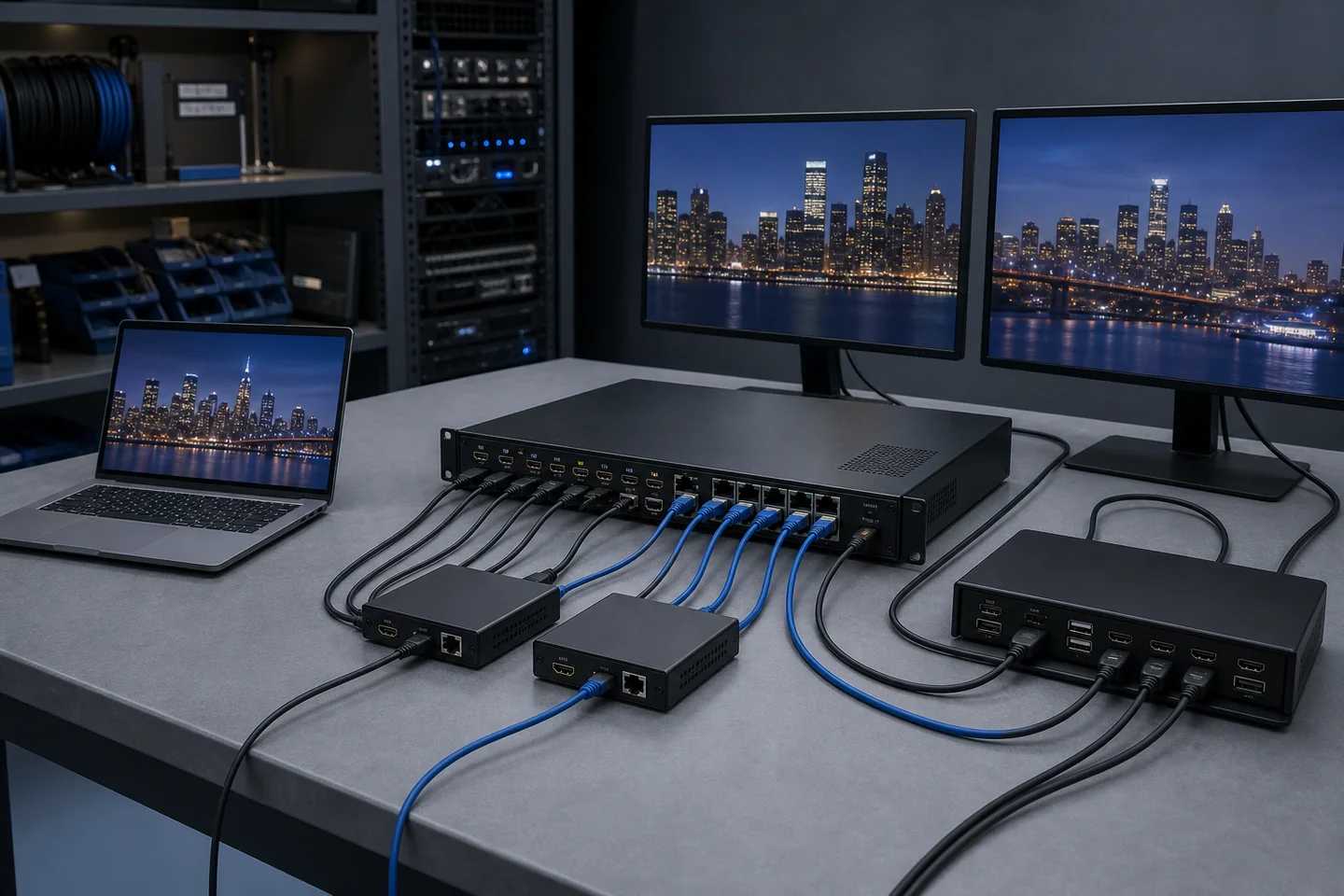
Map sources, displays, distance, control and USB before choosing a splitter, switch, matrix, extender or KVM.

Confirm signal direction, DP++ support, target video mode and system conditions before approving an adapter.

Validate host-specific display modes, concurrent ports, PD power allocation and recovery behavior before a bulk order.

Control route survey, connector protection, product-specific limits, pre/post-pull testing and handover evidence.

Move from an approved specification through first article, golden sample, pilot run, production release and change control.

Separate route, mode, EDID, HDCP, active-cable power and physical-integrity variables without blaming one component too early.

Review e-marker identity, PD negotiation, loaded voltage drop, thermal rise, orientation and retest triggers as separate evidence.

Define load paths, stiffness transitions, interfaces, materials, tooling evidence and failure-mode validation before release.

Match endpoint link rates, current VESA cable tiers, exact model and length, official listing and project sample evidence.

Test keyboard, mouse, storage, camera, switching, restart and recovery behavior against the exact project device set.

Build a complete electrical budget from current, round-trip length, contacts and temperature, then define finished-assembly evidence.

Identify the conversion direction first, then specify USB power, audio routing, video mode and sample acceptance evidence.
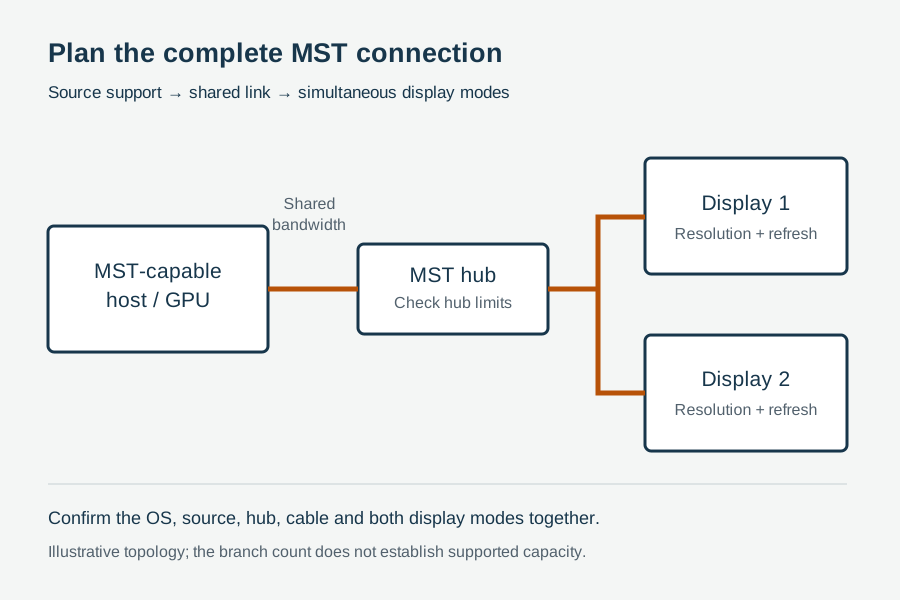
Calculate the simultaneous display requirement, link budget, adapter branches and acceptance route before choosing an MST topology.

Define signal references, noise paths, shield construction, enclosure termination and verification without confusing chassis and safety earth.
Organize connector, length, construction, branding, quantity, evidence and delivery requirements.
Describe the target order, required model, approval checks and shipping context before requesting samples.
Send the interface, target use, length, quantity, destination and evidence requirements. WUHAN SUNFULL will separate confirmed details from open questions before quotation.
Use the technical guides alongside the relevant product family, then send the final interface, quantity and evidence requirements in one inquiry.