Choose by system requirement and official cable category, not by version wording alone.
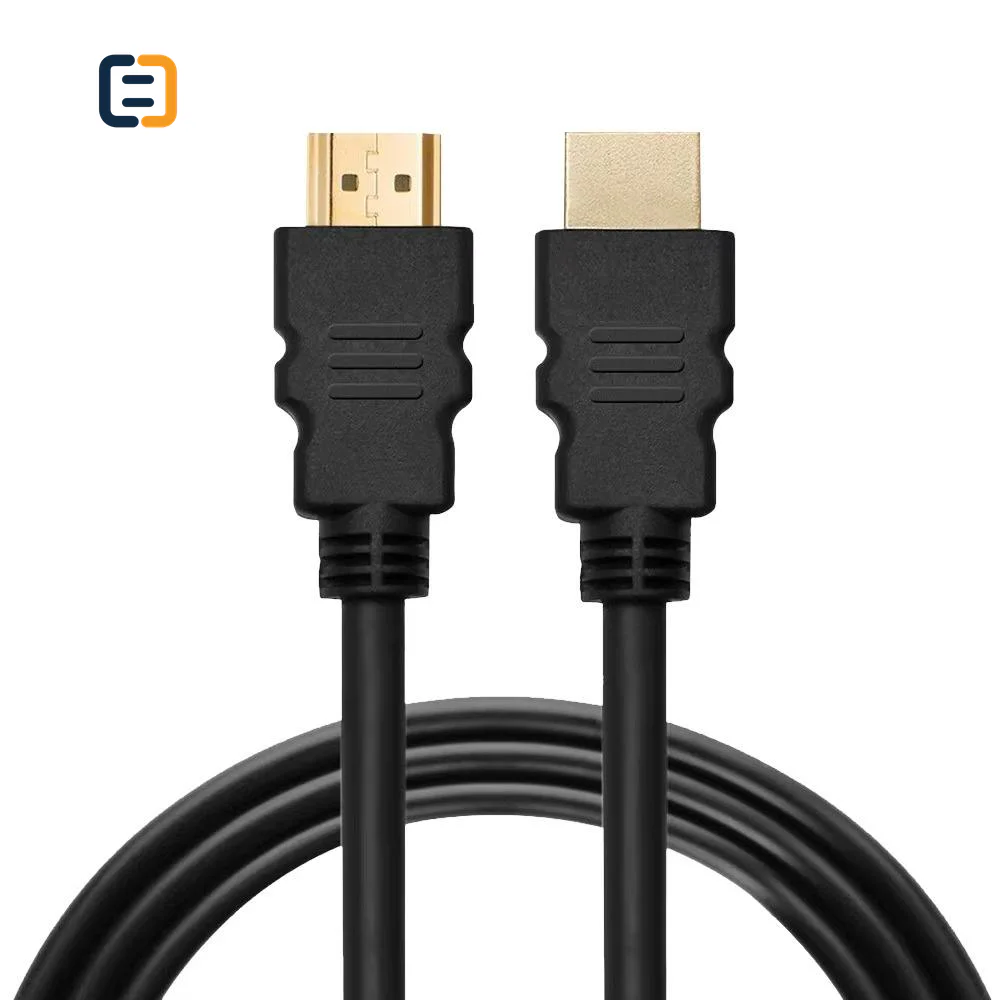
For an 18Gbps-class project such as 4K at 60Hz, a certified Premium High Speed HDMI Cable is the established cable route. For bandwidth-dependent HDMI 2.1 features such as 4K at 120Hz or 8K at 60Hz, request a certified Ultra High Speed HDMI Cable, which supports up to 48Gbps. The source, display and any intermediary equipment must also support the required feature.
HDMI 2.0a vs 2.0b: what changes in a cable RFQ?
In a cable inquiry, HDMI 2.0, 2.0a and 2.0b wording describes the target system or device specification; it does not replace the official HDMI cable category. The RFQ should state the actual format and bandwidth target instead of asking for a generic “2.0b cable.”
This article compares common HDMI 2.0-era and HDMI 2.1 project decisions. HDMI 2.2 is now the current specification and introduces a separate Ultra96 HDMI Cable route for bandwidths up to 96Gbps. A 96Gbps project should not be evaluated with this two-column comparison.
HDMI 2.1 vs 2.0, 2.0a and 2.0b for procurement
The table assumes a complete source-to-display path and compares the requirements most likely to change the cable RFQ.
A cable category does not upgrade the ports or features of connected devices. Resolution, refresh rate, chroma format, bit depth and compression can change the actual bandwidth requirement.
What the difference changes for a buyer
The approved system target is 4K60 or below.
Use it when the source, display and project specification do not require 48Gbps features, and procurement values a controlled, established cable route.
The system genuinely needs 4K120, 8K60 or another 2.1 feature.
Verify that every active device in the signal chain supports the target, then request the certified Ultra High Speed model and length.
A passive copper cable, an active copper cable and an active optical HDMI cable may solve different installation and distance constraints. Compare them only after length, directionality, bend conditions, power behavior and service requirements are aligned.
Length is a model-level decision
The HDMI specification does not provide one universal maximum cable length. Feasible length depends on cable type, conductor and construction, the required signal format and the exact model's verified performance.
- State the exact installed length, not only a range.
- Confirm whether the route must be passive, active copper or active optical.
- For active or optical products, confirm source and display direction.
- Include conduit, bend radius, pull force and connector clearance where relevant.
- Request evidence for the exact model and length being quoted.
RFQ and verification checklist
Questions buyers still need answered
Can an Ultra High Speed HDMI Cable work with older HDMI devices?
Yes. It is backwards compatible, but it cannot add features or bandwidth that the connected source and display do not support.
Is a 48Gbps marking enough to verify an HDMI cable?
No. For an official Ultra High Speed HDMI Cable route, verify the certification label and the exact brand, model and length. Marketing text alone is not equivalent to certification.
Does HDMI 2.1 define one universal maximum cable length?
No. Feasible length depends on cable type and construction, so the exact length and system target should be reviewed per model.
What does HDMI 2.0b mean when buying a cable?
HDMI 2.0b wording identifies a system or device specification revision, not an official cable category. For a full 18Gbps 4K60 or HDR route, request the official Premium High Speed HDMI Cable category and verify the complete source-to-display system.
Do HDMI 2.0 cables work with HDMI 2.1 devices?
They can work for modes supported by the cable and both devices, but an 18Gbps cable cannot provide a 48Gbps feature by itself. Match the cable category to the required format and verify every device in the signal chain.
Send the signal target and exact cable lengths.
WUHAN SUNFULL will separate device assumptions, cable construction, certification evidence and commercial requirements before quotation.
Sources, methodology and responsibility
This guide uses HDMI Licensing Administrator's public specification and cable-program material for cable names, bandwidth classes, certification and compatibility. Procurement guidance is WUHAN SUNFULL's interpretation for preparing an RFQ; final product performance remains model- and system-specific.
- HDMI Licensing Administrator: HDMI Cable Overview
- HDMI Licensing Administrator: Premium High Speed HDMI Cable Program
- HDMI Licensing Administrator: Ultra High Speed HDMI Cable
- HDMI Licensing Administrator: HDMI 2.2 Specification Overview